



Breast Implant Replacement Turkey
Breast implant replacement in Turkey is popular. Many women choose it to boost breast size and shape. Skilled surgeons perform the safe procedure. It gives a natural look and quick recovery. The results last long. Turkey has top doctors and great medical facilities.
Breast Implant Replacement Turkey Cost
Breast implant replacement in Turkey is a popular and affordable option for many women who are looking to improve their appearance and confidence. The cost of breast implant replacement in Turkey can vary depending on the type of implants, the size of the implants, and the surgeon’s fees. Generally, the cost of breast implant replacement in Turkey can be anywhere between $2,000 and $7,000. This cost includes the implants, surgery fees, and any post-operative follow-up visits. For those looking for a more affordable alternative, there are also non-surgical breast enhancement procedures available in Turkey at a much lower cost.
The Anatomy of Our All-Inclusive Package
| Service | Included? | Description |
|---|---|---|
| Surgical Fees | Yes | Includes surgeon and anesthesiologist fees. |
| Hospital Expenses | Yes | Operating room and 1-2 nights of hospital stay. |
| Premium Implants | Yes | FDA-approved, lifetime-guaranteed implants such as Mentor or Motiva. |
| Accommodation | Yes | 5-7 nights’ stay at a partner hotel. |
| VIP Transfers | Yes | All transfers between the airport, hotel, and clinic. |
| Patient Coordinator | Yes | A dedicated, English-speaking assistant to help you throughout the process. |
| Medical Supplies | Yes | All post-operative medications and dressing materials. |
| Compression Garment | Yes | Special surgical bra to be used during the recovery period. |
| Consultations | Yes | All pre-operative and post-operative doctor check-ups. |
Handling Complications: Why Revision Surgery May Be Necessary
While primary breast augmentation is a highly successful procedure, complications can develop over time that may require a revision. Understanding these potential issues is key to identifying them early.
Capsular Contracture This is one of the primary reasons for breast revision surgery. It is a condition where the natural scar tissue capsule that forms around the implant begins to tighten and constrict. This can cause the breast to feel hard, lead to pain and discomfort, and create a visible distortion in the breast’s shape.
Implant Malposition This refers to any situation where the implant has shifted from its ideal position. Common malposition issues include:
- Superior Displacement: The implants “ride too high” on the chest.
- “Bottoming Out”: The implants slide too far down, dropping below the natural breast fold.
- Symmastia: The implants migrate toward the center of the chest, creating a “uniboob” or “bread loafing” appearance where the cleavage space is lost.
Implant Rupture/Deflation This involves a breach in the implant shell.
- Saline Implants: A rupture is obvious, as the sterile saltwater solution leaks out and is harmlessly absorbed by the body, causing the implant to deflate.
- Silicone Implants: A rupture is often “silent.” Because the cohesive gel stays mostly contained within the capsule, there may be no visible change. This is why the FDA recommends periodic MRI or ultrasound screening.
Rippling or Visibility This occurs when the edges or wrinkles of the implant can be seen or felt through the skin. This is most common in patients with very thin native breast tissue or low body fat, where there is less tissue to cover the implant.
The International Patient’s Surgical Journey: A Step-by-Step Guide
Traveling to Turkey for your revision surgery involves a clear, structured process. Here is a detailed, reassuring roadmap to help you manage expectations for your trip.
Step 1: The Virtual Consultation This initial step is crucial for establishing your goals and co-creating a surgical plan. During your remote consultation, you will discuss your concerns, review photographs, and your surgeon will outline the proposed procedure. If available, we may use 3D imaging technology to help you visualize the potential outcome.
Step 2: Pre-Operative Preparation in Turkey Upon your arrival, you will have your in-person consultations with your surgeon and anesthesiologist. You will also complete all necessary pre-operative tests, which may include blood work, a mammogram, or a chest X-ray. It is critical to remember that you must stop taking all blood thinners and certain vitamins at least 2 weeks before your surgery date.
Step 3: The Day of Surgery
- Anesthesia: The procedure is performed under general anesthesia to ensure you are completely safe and comfortable.
- Incision Options: The most common incision sites are inframammary (in the fold under the breast) or periareolar (around the nipple). To minimize new scarring, your surgeon will almost always utilize your existing scar from the previous surgery.
- A Customized Surgery: Revision is not a “one-size-fits-all” operation. The surgery is tailored to your specific needs. This may involve reshaping the implant pocket, removing scar tissue (a capsulectomy), or performing a simultaneous breast lift to address skin laxity.
- Duration: The surgery generally lasts between 1-3 hours. However, if complex corrections are needed, the procedure can take 4-5 hours.
Step 4: Post-Operative Care & Recovery Timeline
- Hospital Stay: You will remain in the hospital for 1-2 nights for monitoring.
- Total Stay in Turkey: You should plan for a total stay of 5-7 nights. This allows for initial healing and your first post-operative follow-up appointments.
- Week 1 (Initial Healing): Swelling, bruising, and pain are expected and will be managed with medication. It is essential to wear your compression garment/surgical bra 24/7. A return to light activity or a desk job is often possible by the end of this week.
- Weeks 2-4 (Early Recovery): Swelling will noticeably decrease. You can continue light activities, but you must avoid all strenuous exercise and heavy lifting.
- Weeks 6-12 (Full Recovery): Your implants will begin to “settle” into their final position. You can typically resume most normal activities, including your full exercise routine. The final, settled results will become apparent around the 3-6 month mark.
Is breast implant replacement more expensive?
The cost of breast implant replacement can vary and may be more expensive than the initial breast augmentation procedure. Several factors contribute to this:
- Complexity of Surgery: Replacement surgeries can be more complex, especially if there are complications from the previous surgery, such as capsular contracture, implant malposition, or changes in breast tissue. Addressing these issues may require additional surgical techniques and time.
- Type of Implants: If you choose a different type of implant for the replacement (for example, switching from saline to silicone, or to a different shape or size), this can affect the cost. Silicone implants are typically more expensive than saline implants.
- Additional Procedures: Sometimes, additional procedures like a breast lift (mastopexy) might be needed in conjunction with implant replacement to achieve the desired aesthetic results, which can increase the overall cost.
- Surgeon’s Fees: Fees can vary depending on the surgeon’s experience and geographic location.
- Facility and Anesthesia Costs: These costs can vary depending on the location where the surgery is performed and the length of the procedure.
- Postoperative Care: The cost of follow-up care and any additional medical supplies needed for recovery can also contribute to the overall expense.
Whats is Breast Implant Replacement
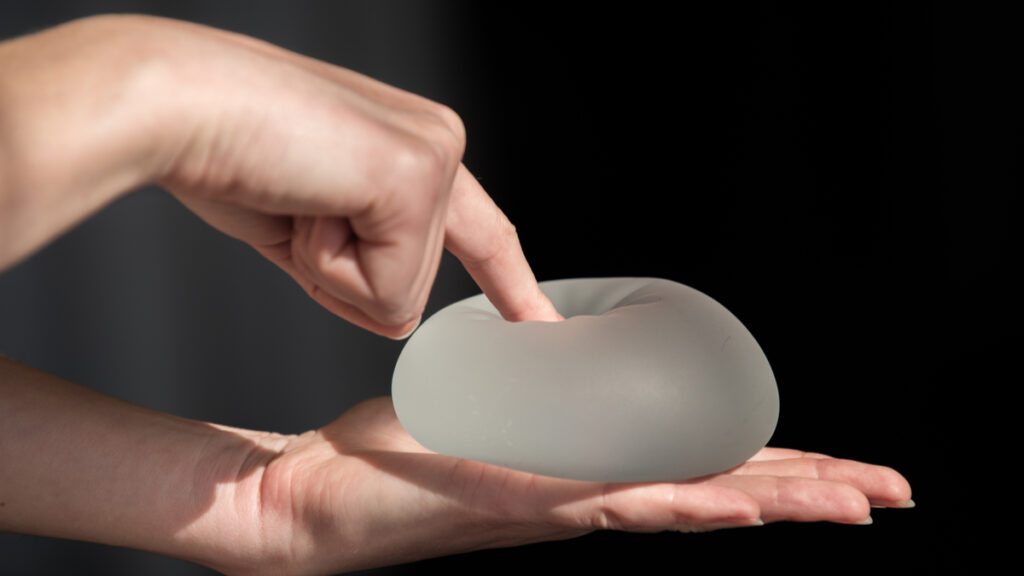
Breast implant replacement replaces old implants with new ones. It fixes issues, updates old implants, or changes breast size. In the surgery, the old implant is taken out and a new one put in. The cut might be in the old spot or a new one. After, there might be some swelling or bruising, but it goes away soon.
Recovery varies for everyone. After surgery, a special bra is worn for weeks to help healing. Following the doctor’s advice is key. This means avoiding heavy activities, sun, and intimacy for a while. Check-up visits with the surgeon are also needed. Done right, this surgery safely changes breast size and shape.
Expected Results After Breast Implant Replacement
After getting a breast implant replacement, patients usually see a better breast shape and size. They can pick the implant’s size, shape, and feel. This often boosts their confidence. The breasts look more balanced, and healing is typically faster than other surgeries. Overall, it’s a good choice for those wanting to feel better about their figure.
Ideal Candidates for Breast Implant Replacement
If you want to change your breast size or shape, this surgery might be for you. The best candidates are healthy, know what to expect, and will follow the doctor’s advice. Those who had implants before can also consider a replacement. It’s important to know the surgery’s pros and cons and to live a healthy life afterwards.
Preparing for Breast Implant Exchange
Before a breast implant exchange, the patient needs a health check. This helps spot any risks. Patients should tell the doctor their goals and any past health issues. It’s crucial to follow the doctor’s advice to make sure everything goes well.
Recovery After Breast Implant Replacement
After getting new implants, expect some soreness and swelling for weeks. Some may need pain medicine. A special bra might help support healing. It’s important to watch your health and the implants. Regular check-ups with the doctor are key. Proper care ensures a smooth recovery.
Risks of Breast Implant Replacement
Getting new breast implants has risks. These can include infection, scars, implant breakage, and feeling changes. It’s vital to choose an experienced surgeon and discuss risks before the surgery.
When to Replace Breast Implants?
How do you know when to replace implants? Look for pain, swelling, or shape changes. Also, check for infection signs or leaks. If your implants are over 10 years old, see a doctor. They don’t last forever.
Removing and Replacing Implants Together
Yes, you can remove and replace implants in one surgery. This process is called an exchange. It might need some adjustments like changing implant pockets or moving nipples. Always consult with a qualified surgeon for advice.
Not Replacing Breast Implants
If you don’t change old implants, they might leak, rupture, or harden. This can lead to infections or tissue damage. See a doctor for advice.
Pain in Implant Replacement
Changing implants can hurt. The pain varies by person and surgery type. Anesthetics help reduce the pain. After surgery, expect some soreness.
How Often to Replace Implants
How often to change implants depends on the person. Generally, three times might be the maximum. Talk to a surgeon to know what’s best for you.
What happens to breast implants after 20 years?
After 20 years, breast implants might weaken. They can become misshapen, hard, or leak. This may cause pain or health issues. It’s good to think about replacements and see a doctor regularly.
Debunking the “10-Year Rule”: Implant Longevity and Modern Monitoring
A prevalent misconception is that breast implants “expire” or must be replaced every 10 years. This is not accurate.
While it is true that implants are not considered lifetime devices—with an average lifespan often cited between 10 and 20 years—there is no mandatory replacement date.
The “10-year” idea stems from the fact that the cumulative risk of implant complications, such as rupture or capsular contracture, increases over time. The decision to have a revision is based on specific clinical findings or patient preference, not an arbitrary date.
A critical point to understand, especially with silicone implants, is the concept of a “silent rupture.” This is when the implant shell may breach, but because the silicone gel is cohesive, there are no immediate, noticeable symptoms. This is precisely why monitoring is so crucial.
To ensure implant integrity, we advise patients to follow the FDA’s monitoring recommendations:
- For silicone implants: Periodic screening (using MRI or high-resolution ultrasound) is recommended to check for silent rupture. This screening should begin 5-6 years after your initial surgery and continue every 2-3 years thereafter.
Capsular Contracture: An In-Depth Look
What It Is: A “capsule” is a natural layer of scar tissue that the body forms around any foreign object, including a breast implant. This is a normal response. Capsular contracture occurs when this capsule tightens (contracts) and squeezes the implant. It is a complication related to the surrounding scar tissue, not a hardening of the implant itself.
Symptoms:
- Breast hardness or firmness
- A feeling of tightness in the chest
- Pain or discomfort
- Distortion of the breast shape (it may appear “stuck,” rounded, or unnatural)
- Superior displacement (the implant appears to ride high on the chest wall)
The Baker Grades (Classification of Severity): The severity of capsular contracture is classified using the Baker scale, which defines four grades:
- Grade I: The breast is soft and appears natural. This is normal and asymptomatic.
- Grade II: The breast is slightly firm, but appears visually normal. Often asymptomatic.
- Grade III: The breast is firm to the touch and appears visibly abnormal (e.g., distorted shape). This is clinically significant and often requires surgery.
- Grade IV: The breast is hard, painful, and shows significant shape distortion. This is clinically significant and requires surgical intervention.
Treatment: Grades I and II typically do not require treatment. Clinically significant contracture (Grades III and IV) is addressed surgically:
Capsulotomy: A procedure where the surgeon cuts or “scores” the capsule, releasing the tension and allowing the implant more space.
Capsulectomy: The surgical removal of the entire scar tissue capsule. In moderate to severe cases, a capsulectomy (often paired with an implant exchange) is generally the preferred method to fully address the problem.
Frequently Asked Questions
“En bloc” refers to the removal of the implant and the surrounding capsule as a single, intact unit. While this is often considered ideal, it is not always feasible or safe, particularly if the capsule is densely adherent to the ribs. The primary objective is a total capsulectomy (the complete removal of all capsule tissue), which provides the maximum benefit. Discuss the safest surgical approach with your surgeon.
Submuscular placement reduces the risk of capsular contracture. If you are experiencing issues with subglandular implants, your surgeon may recommend repositioning the new implants into a submuscular plane during the revision to achieve a better long-term outcome.
Yes. This is an excellent technique used to soften implant edges (reduce rippling), enhance the décolletage, and volumize areas where the native tissue has thinned, creating a more natural “hybrid” augmentation result.
Risks include a higher incidence of bleeding (hematoma), fluid accumulation (seroma), and challenges in achieving perfect symmetry due to pre-existing scar tissue and altered anatomical structures.
Major health organizations do not currently recommend prophylactic (preventive) removal for asymptomatic patients due to the rarity (low incidence) of the disease. The standard recommendation is vigilant monitoring for symptoms, such as late-onset swelling or effusion. However, this is a personal decision, weighing the surgical risks against peace of mind, and should be discussed in detail with your surgeon.
It generally takes 1-3 hours. This time may be extended in complex cases.
You can usually return to a desk job within about 1 week and resume full activity in 4-6 weeks.
This depends on its condition. A healthy, thin capsule may be left in situ (in place) or partially opened (a capsulotomy). However, if capsular contracture or implant rupture is present, the surgeon will likely perform a capsulectomy (the removal of the capsule).
Many patients report an easier recovery, as the tissue pocket is already established. However, the operation itself is often more complex for the surgeon, especially if corrective measures (e.g., correcting asymmetry or malposition) are required.
Yes, one of the primary objectives of revision surgery is to correct these issues by reshaping or reinforcing the implant pocket. This is sometimes accomplished using specialized techniques such as an “internal bra” or the application of an acellular dermal matrix (ADM).
This is very common. Over time, the skin envelope can stretch, leading to sagging (ptosis). A mastopexy is often necessary to reposition the native breast tissue and the nipple-areola complex to achieve a rejuvenated result, particularly if you are downsizing the implant.
Generally, no, as it is considered an elective cosmetic procedure. An exception may exist if the revision is deemed medically necessary as part of a post-mastectomy breast reconstruction, but this is rare for elective cosmetic revisions.
The surgery is performed under general anesthesia. Post-operative pain is expected and is managed with medication.
Surgeons aim to use the original incisions whenever possible to minimize new scarring.
Light exercise can typically be resumed after 2-4 weeks, with strenuous exercise permitted after 6 weeks.
Last Update : 21.10.2025